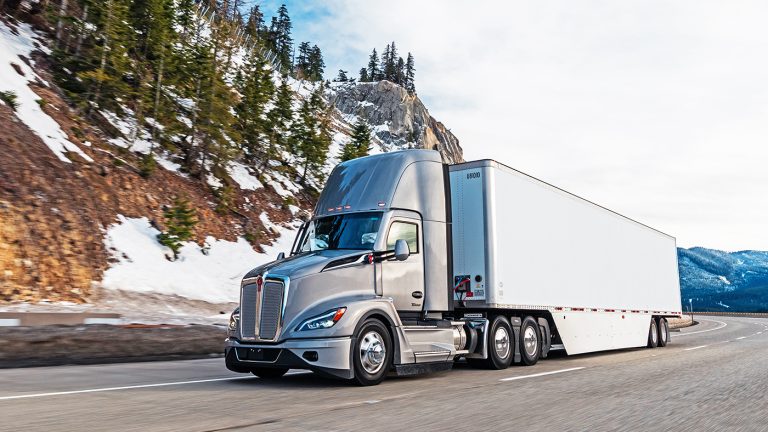
When winter weather hits, commercial truck drivers face some of the toughest driving conditions on the road. Snow, ice, fog, freezing rain, and reduced visibility can turn a standard route into a major challenge. Staying safe during the colder months requires preparation, skill, and the right mindset. Below are some key safety tips to help truck drivers navigate winter roads with confidence.
1. Perform a Thorough Pre-Trip Inspection
Cold weather can take a toll on your truck’s systems, so start every trip with a detailed inspection.
Be sure to inspect the following components:
· Tire pressure and tread depth — traction is critical on icy roads.
· Wiper blades and washer fluid — ensure they are winter-rated and working properly.
· Battery health — low temperatures can reduce battery performance.
· Lights and reflectors — visibility is vital when daylight hours are shorter.
Also, make sure your defrosters and heaters are functioning properly before hitting the road.
2. Slow Down and Increase Following Distance
Speed is one of the biggest factors in winter accidents. Icy or snowy surfaces drastically reduce traction, so slowing down gives you more time to react to changing conditions.
A good rule of thumb is to double your normal following distance when the roads are slick. Give yourself plenty of room to stop, especially when hauling a full load.
3. Watch for Black Ice
Black ice is one of the most dangerous winter hazards. Thin, transparent, and nearly invisible, it often forms on shaded areas, bridges, and overpasses where temperatures drop faster.
If you suspect black ice, avoid sudden steering or braking. Gently ease off the accelerator and maintain a steady, controlled path.
4. Keep Emergency Supplies Onboard
Even the most experienced drivers can get delayed or stranded in severe winter weather. Be prepared by carrying:
· Warm clothing, gloves, and blankets
· Non-perishable food and bottled water
· A flashlight and extra batteries
· Sand or cat litter for traction
· A shovel and windshield scraper
· A first-aid kit and extra medications if needed
Preparedness can make all the difference if you end up waiting for roadside assistance.
5. Use Proper Braking Techniques
Avoid slamming on the brakes, especially if your truck does not have Anti-lock Braking System (ABS). On slick roads, use gentle, steady pressure, and downshift to help slow your vehicle when possible. If you begin to skid, steer gently in the direction you want to go, and do not overcorrect.
6. Plan Ahead and Check Weather Conditions
Before you start your trip, review the weather forecast and road conditions along your route. If conditions are severe, it’s okay to delay your departure or pull over until it’s safe to continue.
Communication is key, so be sure to keep your dispatcher or supervisor updated so they are aware of any delays.
7. Keep Fuel Tanks Full
Keeping your tanks topped off helps prevent condensation that can lead to fuel line freeze-ups. It also adds extra weight to help with traction and ensures you have enough fuel to run your heater if you are stuck or delayed.
8. Know When to Stop
Sometimes, the best decision you can make is to get off the road. If visibility drops to near zero or ice buildup makes control difficult, find a safe place to park and wait it out. No delivery or deadline is worth risking your safety.
Stay Safe, Stay Prepared
Winter driving demands patience, awareness, and respect for the road. By following these safety tips and keeping your truck in top condition, you can reduce your risk and keep your deliveries, and yourself, on schedule through the toughest months of the year.